Video Conference Training & Documentation in Oakland CA | Oakland Conference Services & Video Solutions
Interactive Sessions to Enhance User Skills
The essence of successful video conferencing lies in the proficiency of its users. Our interactive sessions are meticulously designed to boost user skills in deploying and managing conferencing techs. We offer an engaging instructor-led class format that makes learning dynamic and practical. Each session focuses on real-world applications, simulating genuine scenarios that attendees are likely to encounter while using video solutions. This means that participants aren’t just absorbing information; they’re applying knowledge actively, which fosters a deeper understanding of the material covered. Our training covers the full gamut of necessary skills, including setting up video conferencing rooms, optimizing audio video quality, and troubleshooting common issues. This comprehensive production training ensures participants are comfortable with every aspect of video technology, whether it’s a small team meeting room or a large conference hall setup. With the guidance of consulting experts, our training sessions aim to harness the full potential of the services Oakland has to offer in the realm of video conferencing. We emphasize personalization in our approach. Each session is aligned with the unique needs of the participants, addressing specific challenges they may face in their daily use of video communication tools. This targeted approach not only improves the learning curve but also enhances confidence and competence among users. Our sessions incorporate both group activities and individual assessments, providing a balanced environment that encourages participation and caters to diverse learning styles. Our approach is further complemented by state-of-the-art network facilities that support effective learning demonstrations. Video solutions are taught using the latest audio video technologies, ensuring that learners are exposed to cutting-edge tools and software within their training environment. The resources provided allow participants to engage with the technical components, promoting an understanding that extends beyond theoretical learning to practical, hands-on experience. Moreover, the learning doesn’t end with the sessions. Participants receive ongoing support post-training, ensuring any uncertainties can be addressed as they arise. This continuous support system is designed to solidify the skills learned during the sessions and provide assistance with communication challenges. Whether users are looking to optimize video conferencing experiences or implement new technologies in their workspaces, they can count on our experts’ guidance at every step. By participating in our interactive video trainings, users gain not just technical skills but a comprehensive understanding of how to operate state-of-the-art conferencing techs effectively. This holistic approach prepares them to use these technologies strategically, ensuring they remain a step ahead in their professional environments. Through encouraging innovation and effective communication, we aim to inspire confidence in every participant, ensuring their success in the realm of video conferencing. Embark on a journey of discovery with us, where learning meets experience, enabling users to capitalize on the myriad benefits of advanced video conferencing solutions.






IT Staff Training for System Management and Technical Support
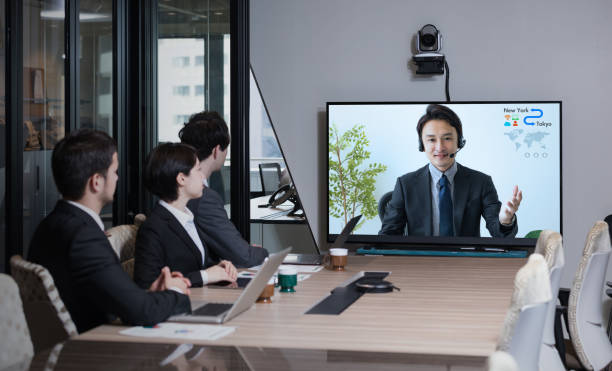
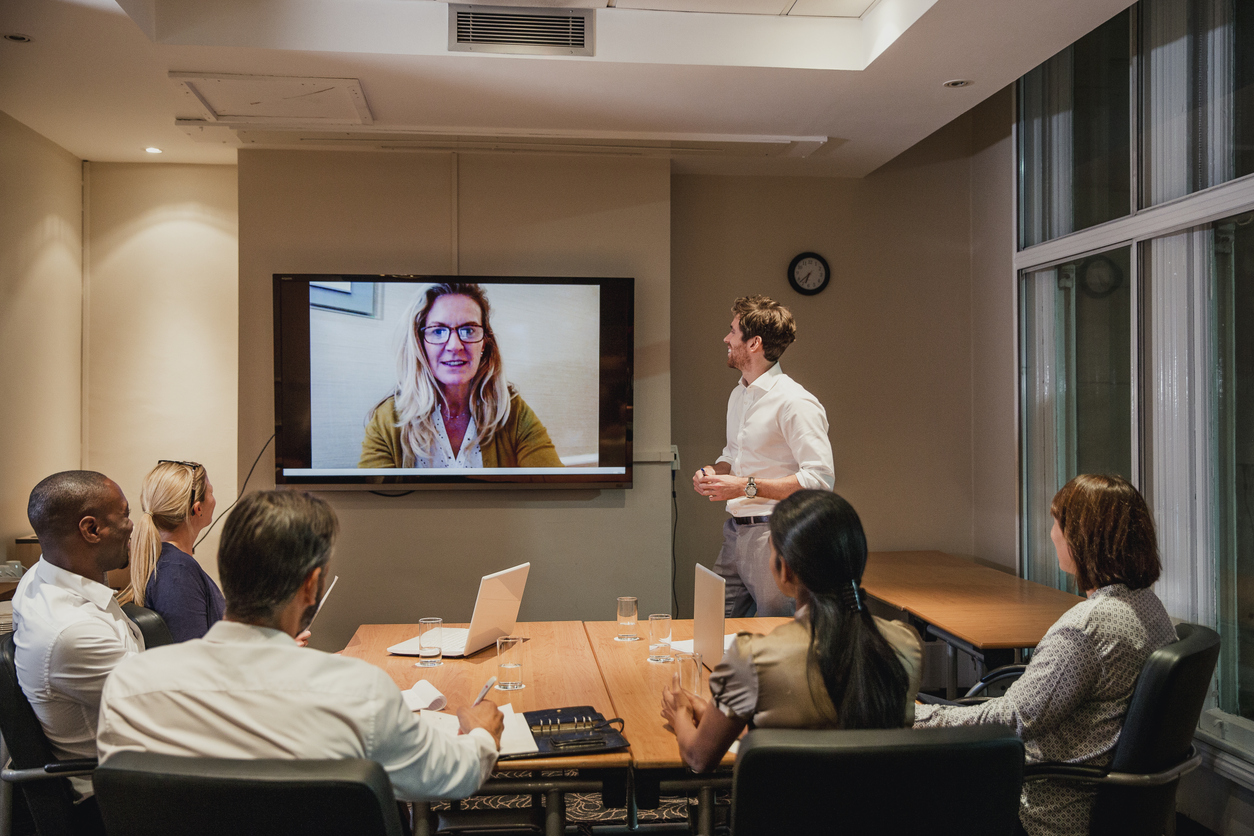
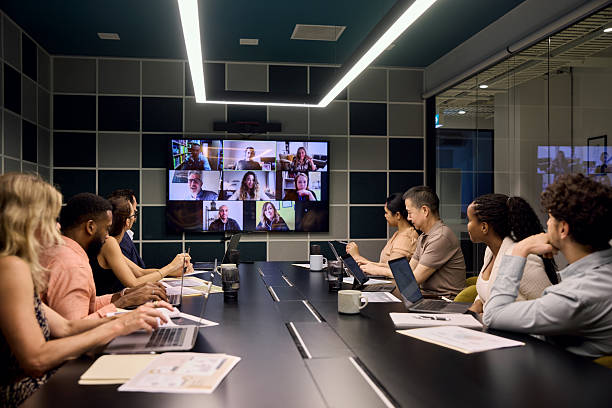
In today’s fast-evolving tech landscape, ensuring your IT staff is well-versed in system management and technical support is crucial. Our specialized training programs in Oakland focus on equipping IT professionals with the skills required for effective resource utilization and problem-solving in video conferencing environments. By combining system management strategies with hands-on production training, your team will adeptly support and optimize audio video systems, manage conferencing techs such as Zoom Rooms, and ensure seamless communication across networks. Dive into a comprehensive exploration of developing a robust support structure tailored for modern conferencing solutions.
Effective Use of Resources and Troubleshooting
Maximizing the use of available resources while effectively troubleshooting issues is vital for maintaining efficient video conferencing services. To address common problems and optimize operations, IT staff need to be equipped with refined skills in managing and supporting audio video systems. Production training forms the backbone of our approach, laying a solid foundation for understanding complex conferencing solutions like Zoom Rooms. A well-structured training program ensures that IT staff can harness the full potential of these technologies, benefiting both their network and the entire organization. By mastering the art of maintaining conferencing systems, staff can ensure uninterrupted communication, enabling smooth, real-time collaboration. Comprehensive training begins with an in-depth exploration of the audio, video, and network components essential for conferencing systems. Understanding these elements empowers IT professionals to identify and resolve issues more effectively. The training curriculum extends to integration techniques for various conferencing tools, which promotes adaptability and seamless transitions as new technologies emerge. The course focuses on developing technical support capabilities, allowing IT teams to offer swift solutions to a wide range of potential challenges, ensuring minimal downtime and increased productivity. One critical aspect of our training involves practical exercises designed to simulate real-world scenarios. These hands-on experiences prepare participants to tackle day-to-day complexities head-on, equipping them with the confidence needed to navigate any technical hurdle. Our approach emphasizes understanding the architecture of conferencing systems, enabling staff to deploy solutions that enhance the overall performance of conferencing techs. This insight is invaluable for maintaining a dynamic communication infrastructure that can adapt to the evolving needs of modern businesses. Efficient resource use also extends to energy management within conferencing environments. Our training workshops highlight strategies for optimizing energy consumption without compromising performance. These practices align with sustainability goals, empowering organizations to make environmentally conscious decisions while still benefiting from state-of-the-art conferencing capabilities. IT staff emerge with a comprehensive toolkit, allowing them to deliver reliable, eco-friendly conferencing solutions. Network optimization forms another pillar of our training. As video conferencing becomes integral to business operations, ensuring network reliability is imperative. Our program covers network diagnostics and enhancements tailored specifically for conferencing platforms. Participants learn how to configure network settings to support high-quality video and audio transmissions, eliminating issues such as lag and buffering. This technical acumen is essential for maintaining robust communication pathways, which are crucial for seamless virtual meetings. Building a robust support system is integral to handling the multifaceted challenges of modern video conferencing. Our training provides IT staff with the ability to not only troubleshoot immediate issues but also develop long-term strategies that anticipate potential obstacles. This proactive approach fosters a resilient infrastructure that supports continuous innovation and adaptation. Moreover, the training includes modules on client end-user support, teaching IT staff how to effectively communicate and assist non-technical users in optimizing their conferencing experiences. Continual learning is a fundamental philosophy within our training framework. Post-training support ensures that IT staff have ongoing access to resources and expert guidance, allowing them to keep pace with technological advancements. This support network is critical, offering timely updates and insights that help staff refine their skills and stay ahead of industry trends. Our ultimate goal is to empower IT teams with an agile mindset, enabling them to provide unparalleled technical support and drive their organizations towards sustained growth and success. The convergence of resource optimization and troubleshooting fosters a vibrant environment where video conferencing systems can thrive. By investing in training, organizations can cultivate a culture of excellence where technological challenges are met with innovative solutions. The result is a seamless conferencing experience that supports effective communication, collaboration, and growth across all organizational levels. With a well-trained IT staff at the helm, the possibilities for enhanced productivity and connectivity are limitless.
Create Quick Reference Guides and Room Signage
In the fast-paced world of video conferencing, having readily available and clear reference materials is crucial for optimal functionality. Quick reference guides and room signage play an essential role in ensuring seamless user experience and smooth operations in any conference room setting. These tools significantly enhance the accessibility of video conferencing systems for users of all levels, whether they’re engaging in a video call or utilizing advanced audio-visual solutions. By collaborating with consulting experts, organizations can develop comprehensive guides and signage that streamline navigation and promote efficient use of their video conferencing setups.
Visual Aids for Easy Access and Navigation
Visual aids such as quick reference guides and room signage are indispensable tools in creating an intuitive and user-friendly video conferencing environment. These aids are particularly beneficial in conference rooms where users need immediate guidance to manage complex audio-visual systems efficiently. Quick reference guides are succinct yet comprehensive documents that provide step-by-step instructions on using video conferencing equipment effectively. They cover essential aspects like connecting to a video call, adjusting audio settings, utilizing video features, and troubleshooting common issues. By providing clear, concise instructions, these guides ensure users can engage with video conferencing tools confidently and efficiently, minimizing disruptions and maximizing productivity. Beyond just providing instructions, quick reference guides serve as a constant resource that can be referred to at any moment. In a busy corporate environment, this ease of access is invaluable. Users can quickly familiarize themselves with conference room technology without the need to seek out additional resources or wait for support from IT staff. This instant accessibility underscores the importance of having professionally crafted guides that anticipate user needs and offer practical solutions to potential technology challenges. Room signage complements these guides by offering real-time directions and tips displayed prominently within the conference room. This signage is not only about labeling devices but also involves informative displays that guide users through the setup and operation of the video conferencing system. Strategic placement of signage ensures that important information is visible at a glance, assisting users as they navigate their conference experience. Information presented can include connection steps, volume control instructions, lighting adjustments, or even emergency contact details for technical support. The design and content of both quick reference guides and room signage should be tailored to the company’s specific technological infrastructure and user base. This customization ensures that the provided guidance is relevant and easily comprehensible, reducing the likelihood of user error. Consulting experts play a crucial role in this process, lending their expertise to create materials that are not only technically accurate but also user-centric in design. These experts can analyze how users interact with technology, allowing them to design resources that truly enhance user experience. Moreover, when developing these resources, it’s important to consider the integration of visual elements that aid comprehension, such as diagrams, flowcharts, and images. These components can simplify complex procedures and make them more engaging for users, fostering a deeper understanding of the system’s capabilities. Including such elements in both guides and signage contributes to an efficient and pleasant user experience by bridging any knowledge gaps and demystifying the technology involved. In addition to improving usability, effective signage and guides can reinforce branding. Consistently branded materials not only build recognition but also convey a sense of professionalism and attention to detail. This approach is beneficial for reinforcing the corporate identity and ensuring consistency in communication style and content presentation across various platforms and materials. Collaboration between IT staff and consulting experts ensures that the production of these resources aligns with broader organizational objectives. This partnership allows for the integration of cutting-edge solutions and updates in response to the evolving technological landscape. As video conferencing technologies advance, quick reference guides and room signage can evolve too, incorporating new functionalities and features that users need to learn. By investing in high-quality visual aids and support materials, organizations set the stage for seamless communication experiences, enhancing both user engagement and satisfaction. The ultimate goal is to empower users with the tools and knowledge they need to leverage video conferencing technologies to their fullest potential, fostering a collaborative and innovative workplace. Through meticulous design and strategic implementation of these aids, businesses can ensure that their video and audio solutions are utilized effectively, contributing to a more connected and productive organizational environment.
Step-by-Step Guides to Master Video Technology
A well-designed step-by-step guide serves as an invaluable tool for individuals looking to master video technology. Whether it’s navigating a complex conferencing system or simply setting up audio and visual components, these guides break down intricate processes into manageable, user-friendly steps. This approach transforms what can often be an overwhelming encounter with technology into a straightforward journey of learning and application. By integrating easy-to-follow instructions with illustrative examples, step-by-step guides demystify video solutions and give users the confidence to effectively manage a conference room setup. The process of developing these guides begins with a clear understanding of the target audience. This involves assessing the technological proficiency and specific needs of users who will be engaging with the content. Consulting experts play a key role here, lending their insight to ensure that the content is both accessible and technically robust. They analyze typical user queries and challenges, enabling the creation of guides that address these points directly and efficiently. This user-focused development is crucial in fostering an environment where video communication tools are not a source of frustration but a conduit for seamless interaction. Furthermore, a key element of effective step-by-step guides is clarity and conciseness. The use of plain language removes potential barriers to understanding, ensuring that guides are usable by everyone, regardless of their tech background. Visual components such as diagrams, charts, and even short video snippets can be interspersed within the text to provide a more engaging learning experience. Graphics not only assist in illustrating complex ideas but also enhance memory retention, enabling users to recall information easily when they need it most. Integration of multimedia elements provides an interactive angle that reinforces learning through varied sensory engagement. For instance, adding clickable links within a digital guide that direct users to video demonstrations can further clarify instructions that appear complicated on paper. This incorporation of cutting-edge solutions not only modernizes the learning material but also caters to diverse learning preferences, ensuring users remain engaged and informed. Developing these guides also requires a focus on regular updates and revisions. Technology evolves rapidly, and video conferencing tools are no exception. Guides must reflect current software and hardware configurations to remain relevant and useful. An outdated guide not only frustrates users but can also lead to ineffective use of technology, which is counterproductive to organizational goals. Therefore, aligning documentation with ongoing updates in video communication solutions helps maintain its efficacy and reliability. It is equally important to address the specific configurations that different companies might have. Customizing guides to particular setups, like Zoom Rooms or other conferencing networks, offers direct applicability, reducing the chances of errors and ensuring confidence in handling the systems. This bespoke approach involves collaboration between consulting experts and IT teams to closely match the documentation with actual user scenarios. Step-by-step guides are not just technical manuals; they’re an educational resource designed to foster independent problem solving. As users gain familiarity with the guides, they learn to troubleshoot common issues independently, reducing reliance on IT support and fostering a more agile, self-sufficient work environment. Ultimately, well-constructed guides empower users to fully utilize video solutions, enhancing overall productivity and workplace innovation. In conclusion, step-by-step guides represent a cornerstone of effective video conference training and documentation. By focusing on user needs, leveraging multimedia, maintaining current content, and collaborating for customization, these guides empower users to navigate and exploit the full spectrum of video and audio technologies confidently. As video conferencing continues to be integral to global communication strategies, the value of these guides in streamlining operations and enhancing user competency cannot be overstated.
| Key Elements | Purpose | Benefits | Implementation Strategies |
|---|---|---|---|
| Content Clarity | Ensure users easily understand the material | Improves user comprehension and retention | Use simple language, clear visuals, and concise scripting |
| Interactive Features | Engage users actively with the content | Enhances engagement and learning effectiveness | Incorporate quizzes, clickable elements, and feedback loops |
| Adaptability | Cater to various learning styles and needs | Personalized learning experiences for better outcomes | Provide various formats and accessibility options |
| Consistency | Maintain a cohesive learning experience | Ensures professional presentation and trust | Standardize layouts, branding, and delivery format |
| User Feedback | Continuously improve the content | Increases relevance and effectiveness over time | Regularly collect and analyze user feedback and metrics |
Implementing Best Practices in Video Conferencing
As organizations in Oakland increasingly rely on video solutions for their communication needs, implementing best practices in video conferencing is essential for seamless operations. From selecting the right conferencing system to optimizing room layouts and ensuring technical support, each step plays a crucial role in effective video communication. This guide explores strategies for seamless communication and connectivity, focusing on leveraging the latest video conferencing technologies and methodologies.
Strategies for Seamless Communication and Connectivity
In today’s digital landscape, seamless communication is paramount for business success, especially when utilizing video solutions. These solutions encompass a myriad of technologies, from simple video calls to complex video conferencing setups designed for large-scale meetings. Implementing best practices starts with understanding the needs of users and tailoring video conferencing tools to meet those requirements. Consulting experts in conferencing systems can help organizations select the right mix of audio and visual technologies that align with their specific objectives. This often involves integrating platforms like Zoom Rooms into existing infrastructure, ensuring compatibility and facilitating ease of use across different departments and teams. A well-planned implementation begins with an evaluation of the current communication framework, identifying areas that would benefit from enhanced video conferencing capabilities. Identifying key stakeholders and decision-makers who understand both technical and business processes is critical in this phase. By engaging these participants early in the process, organizations can ensure that the solutions chosen provide the best fit for users’ needs and expectations. From there, consulting experts can help tailor video conferencing systems to align with these business goals, improving overall efficiency and productivity. Networking is another critical element to focus on for seamless communication. Efficient networks are the backbone of reliable video conferencing systems, enabling high-quality audio and video transmissions without interruptions. Organizations should invest in robust network infrastructure capable of supporting high-definition video and clear audio, even during periods of peak usage. This may involve using specialized networking equipment and software that prioritizes video conferencing traffic, ensuring a stable, uninterrupted experience. Consulting networking professionals can assist in optimizing existing frameworks, reducing latency and improving connectivity for users engaging in video conferencing sessions. Room configuration and design also play pivotal roles in enhancing communication and connectivity within conferencing environments. Whether setting up small huddle spaces or large meeting rooms, the configuration should maximize both voice clarity and visual comfort. This involves careful selection and placement of cameras, microphones, speakers, and displays, ensuring that all participants can engage fully without technical hindrances. Consulting experts can provide insights into designing these spaces to promote high-quality interactions, advising on acoustics, lighting, and furniture arrangements to create a conducive conferencing environment. Training and support form the final piece of the puzzle in achieving seamless video conferencing. As covered in previous sections, offering comprehensive training sessions ensures that all users are equipped with the necessary skills to operate video solutions effectively. These trainings should cover everything from basic equipment operation to advanced troubleshooting techniques, reducing the reliance on IT support and empowering users to solve common issues independently. Further support can be provided via quick reference guides and room signage, which offer immediate assistance for those needing on-the-go information. Moreover, continual support systems are vital in maintaining excellence in video conferencing practices. After initial training, organizations should offer ongoing resources, such as updated documentation and access to consulting experts, who can offer additional guidance as needed. This ensures that any emerging challenges are swiftly addressed, and users remain informed about new features and enhancements. By fostering an adaptive, learning-oriented culture, companies can ensure that their video conferencing strategies evolve alongside technological advancements, ensuring sustainable communication solutions in the long run. To summarize, implementing best practices in video conferencing requires a holistic approach that encompasses technology selection, network optimization, room configuration, and user empowerment through training and support. Through strategic deployment and skilled management of these elements, organizations can achieve seamless communication and connectivity, driving collaborative success and innovation. As the demands for effective remote communication grow, the ability to leverage advanced video conferencing solutions will prove invaluable for future business sustainability and expansion.
Additional Strategies for Effective Video Conferencing Integration
- Schedule routine maintenance and support sessions to promptly address technical challenges and minimize downtime.
- Establish clear protocols and guidelines for video conferencing to ensure consistent and professional communication practices across the organization.
- Leverage cloud-based solutions for scalability and easy access, which can reduce the burden on local servers and systems.
- Integrate video conferencing tools with other business applications for seamless workflow and data sharing.
- Encourage a culture of open communication and collaboration to maximize the potential of video conferencing technologies.
- Invest in high-quality audio and video equipment to enhance the overall meeting experience and reduce miscommunication.
- Create a dedicated support team to assist users in troubleshooting and maximizing the use of video conferencing platforms.
In conclusion, Oakland Conference Services & Video Solutions stands as a premier provider for comprehensive video conference training and documentation in Oakland, CA. Our expert team ensures that businesses are equipped with the latest technologies and best practices to enhance communication and productivity. We offer tailored training programs and detailed documentation to ensure seamless operation and integration of video conferencing solutions. By partnering with us, organizations can achieve a significant competitive advantage in today’s digital landscape. Reach out today to learn how we can support your video conferencing needs and drive your business forward.