
Video Conference Solutions Union City CA – Video Conferencing Systems and AV Installation Service
Defining Modern Video Communication
Modern video communication has revolutionized the way organizations and individuals interact by offering real-time connectivity across vast distances. At the heart of this transformation are robust video conferencing systems, which provide a reliable platform for virtual meetings and discussions. Unlike traditional phone calls, video conferencing allows for visual interaction, making it more personal and engaging. The use of video technology has enhanced communication, allowing participants to pick up on non-verbal cues such as facial expressions and body language, which are integral to understanding the context of conversations. Moreover, the integration of conferencing cameras has played a significant role in modernizing video communication. These cameras deliver high-quality visual output, ensuring participants experience minimal disruptions in clarity and detail. With rapid technological advancements, modern conferencing solutions incorporate additional features such as screen sharing, virtual backgrounds, and enhanced audio capabilities, facilitating a seamless and interactive communication experience. Businesses can now host webinars, conduct virtual training, and even manage international client interactions efficiently. The seamless nature of current video conferencing systems also owes much to the intuitive user interfaces they come equipped with. User-friendly designs mean that even those without technical know-how can navigate the systems effortlessly. This ease of use cannot be overstated, as it reduces the time and effort required for training staff, allowing companies to allocate their resources towards more strategic endeavors. Furthermore, multi-device compatibility ensures that video conferencing can be accessed from smartphones, tablets, and desktops, providing flexibility and convenience. Security is another crucial aspect of modern video communication. With sensitive information being exchanged during conferences, it’s imperative that these communications remain secure. Leading video conferencing systems offer robust encryption protocols to safeguard data against unauthorized access. Businesses are assured that discussions remain confidential, maintaining the integrity and trust of all parties involved. Looking towards the future, the trajectory of video communication suggests continuous improvement and innovation. Emerging technologies such as artificial intelligence and virtual reality are poised to further enhance video conferencing systems, enabling smarter and more immersive experiences. Artificial intelligence can offer real-time translation services and sentiment analysis, assisting in making conversations more inclusive and insightful. As these developments unfold, the role of video solutions in communication is set to expand, increasing its significance in shaping the global business landscape.
The Role of Video Technology in Today’s Business Environment
Video technology, more than ever, is critical to the success and efficiency of businesses today. It serves as a cornerstone for fostering collaboration and driving productivity, especially in the context of a globalized world where remote work has become commonplace. Video conferencing systems are at the forefront of this technological breakthrough, enabling organizations to maintain operations without the constraints of geographical location. In past paradigms, business travel was a norm, incurring significant costs and time commitments. However, the adoption of video solutions has shifted this dynamic, reducing the need for in-person meetings and thereby leading to substantial cost savings. By choosing video conferencing systems, businesses can conduct board meetings, client presentations, and team collaborations with minimal physical presence. Not only does this cut costs, but it also reduces the carbon footprint associated with frequent travel, promoting a more sustainable approach to business practices. Video technology also plays an essential role in enhancing productivity and employee satisfaction. With conferencing systems, employees have the flexibility to work from various locations without sacrificing face-to-face interaction. This flexibility often translates into improved work-life balance, leading to higher job satisfaction and reduced turnover rates. Remote collaboration tools integrated within video conferencing platforms facilitate task management and project tracking, ensuring teams remain aligned and focused on their objectives despite physical distances. Moreover, businesses in Union City, CA, and beyond can leverage the capabilities of video conferencing systems for customer engagement and support. Real-time video interactions allow customer service representatives to provide a more personalized experience, addressing concerns with greater empathy and efficiency than textual or audio communication methods. The utilization of video technology in customer engagement extends to virtual product demonstrations and tutorials, enhancing customer understanding and satisfaction. Another significant aspect of video conferencing systems is their scalability. As businesses grow, the demand for more robust communication channels increases. Modern conferencing systems are designed to be scalable, accommodating workflows of small start-ups to large enterprises with relative ease. Whether it’s accommodating five participants or five hundred, these systems can be adjusted to meet varying demands without compromising quality. Finally, the strategic use of video technology fosters innovation within companies. Creative brainstorming sessions and cross-departmental meetings become more dynamic and effective when participants can share visuals and conceptualizations seamlessly through video conferencing platforms. This leads to more robust ideation processes and rapid iteration cycles, maintaining a competitive edge in today’s fast-paced market. As businesses continue to navigate the challenges and opportunities presented by technological advancements, the strategic deployment of video solutions remains an indispensable factor in achieving sustained success and growth.

| Aspect | Benefits | Technological Features | Business Impact |
|---|---|---|---|
| Accessibility | Remote connectivity | Cloud integration | Enhanced collaboration |
| User Experience | Ease of use | Intuitive interface | Increased user adoption |
| Scalability | Adaptable to business size | Flexible infrastructure | Cost efficiency |
| Security | Data protection | End-to-end encryption | Trust assurance |

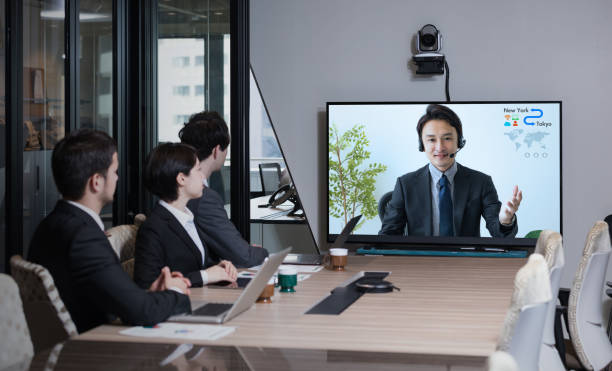


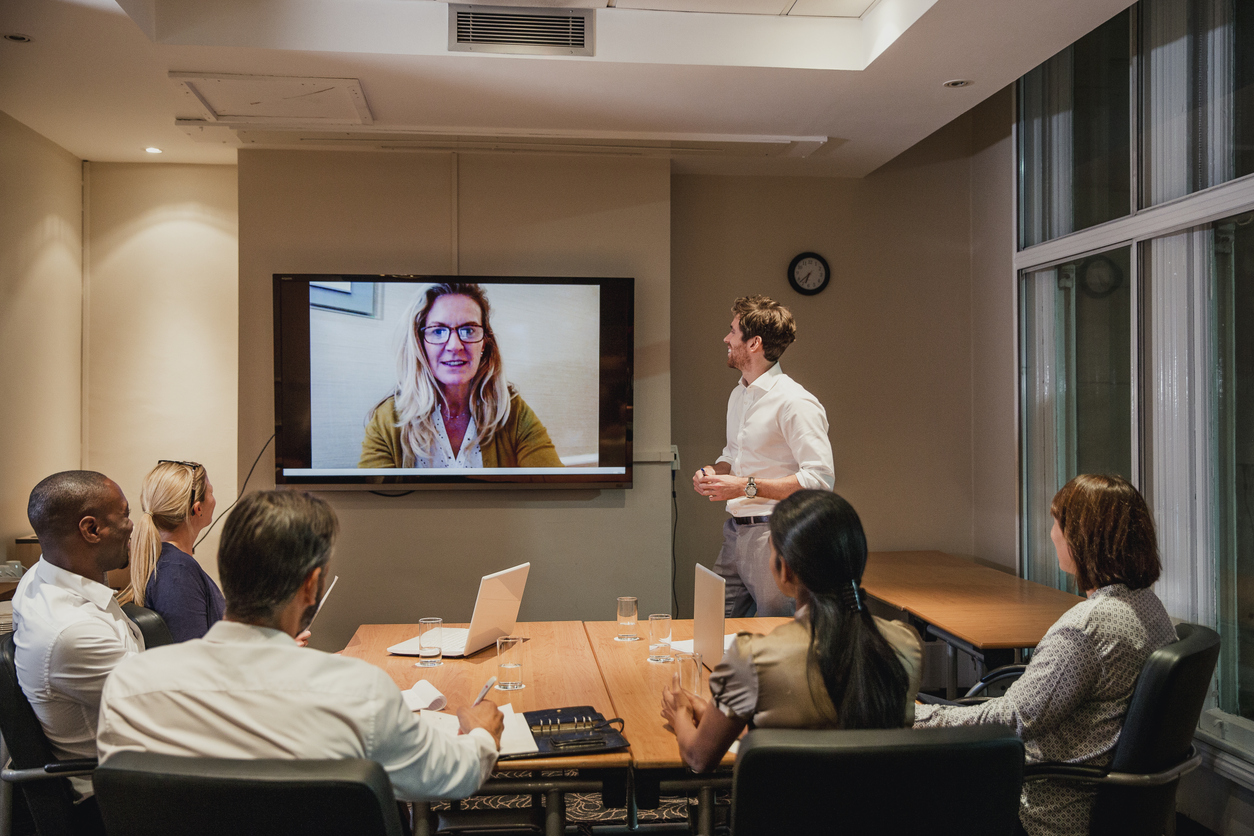

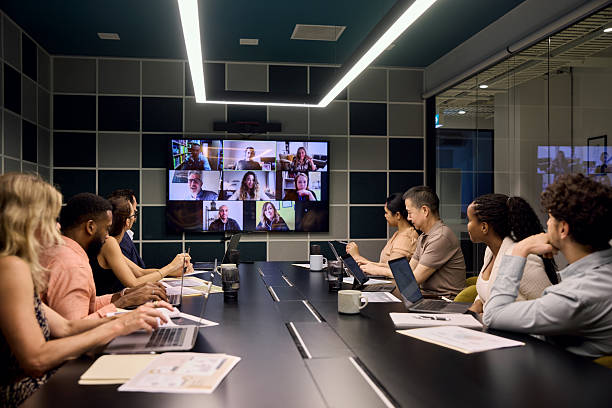

Video technology has revolutionized the way businesses operate, offering a multitude of benefits that enhance productivity and customer engagement. Here are some of the key advantages and innovative applications of video technology in the corporate world:
- Improves communication and collaboration across teams through video conferencing.
- Facilitates training sessions and webinars, making it easier to disseminate information efficiently.
- Enhances marketing strategies with captivating video content that boosts brand visibility and engagement.
- Enables virtual product demonstrations, providing customers with an interactive experience.
- Streamlines recruitment processes by allowing for virtual interviews and assessments.
Comprehensive AV Solutions for Modern Conference Rooms
Creating a modern conference room involves more than just installing a video screen and chairs. It’s about integrating advanced av solutions that enhance communication and foster productivity. These solutions encompass a strategic setup of components designed to meet the demands of today’s dynamic business environments. From essential hardware to innovative room designs, the focus is on delivering a seamless conferencing experience. Explore the critical elements of a professional conference setup and discover how thoughtful designs can transform your meeting room into a hub of efficiency and creativity.
Essential Components of a Professional Setup
Modern conference rooms require a sophisticated arrangement of components to cater to the diverse needs of businesses. At the core of an ideal setup are high-quality conferencing systems, designed to support both audio and visual communication effectively. The installation process is strategic, ensuring each component functions cohesively. Starting with audio solutions, selecting the right microphones and speakers is crucial. They must deliver clear sound with minimal distortion to facilitate smooth communication. Advanced audio systems can also incorporate noise-cancellation features, crucial in busy environments where external noise might hinder discussions.
Visual components are equally vital in a professional setup. High-definition displays, paired with state-of-the-art conferencing cameras, ensure that virtual interactions are as close to in-person as possible. The clarity and precision of these systems make it easier to convey messages effectively, as participants get to see facial expressions and non-verbal cues clearly. Plus, these components are designed to integrate with popular conferencing software seamlessly, making them versatile tools for any organization.
The choice of a VOIP system adds flexibility and supports a robust communication framework. VoIP technology facilitates reliable voice calls over the internet, which is particularly beneficial for businesses operating across multiple locations. It’s essential that the conferencing systems support these technologies to provide consistent audio quality and connectivity, ensuring that participants can engage without technical interruptions.
Moreover, meeting room setups require user-friendly interfaces to make operations intuitive. Complex technology can hinder productivity, so systems with simple, navigable interfaces are preferred. For instance, touchscreen panels controlling the room’s AV equipment streamline operations by allowing users to switch between modes or adjust settings with ease. This seamless interaction reduces downtime and allows the focus to remain on the meeting’s objectives.
Security protocols are also an integral aspect of a professional setup. As conference rooms often host sensitive discussions, safeguarding these communications is essential. Systems must support encryption and secure access protocols to ensure that only authorized participants can join the meetings. This level of security bolsters trust among stakeholders, knowing that their data and discussions are protected.
Finally, the scalability of the system cannot be understated. Modern businesses are dynamic, and their communication needs can evolve rapidly. A well-designed conference room setup allows for adjustments to scale – catering to both small team meetings and large international conferences. As the business grows, the system should be able to adapt without requiring an overhaul, saving time and resources.
Innovative Designs for Optimal Room Utilization
The spatial design of a meeting room plays a crucial role in optimizing its functionality and user experience. An innovative room design considers not just the installation of technological components, but how these components interact with the physical space. Layouts should enhance accessibility and communication, ensuring all participants are engaged. When planning a meeting room design, integrating conferencing systems strategically within the room’s flow is paramount. The placement of displays, cameras, and microphones should facilitate eye contact and non-verbal communication, mimicking the dynamic of face-to-face conversations.
Utilizing space-saving furniture is another cornerstone of effective room design. Modular tables and chairs can be rearranged to suit different meeting types, from collaborative sessions to more formal conferences. This flexibility is important as it allows the room to be quickly transformed to meet varying demands without sacrificing comfort or functionality. Adding adjustable lighting controls also plays a crucial part, as lighting can profoundly affect the quality of video outputs and the overall mood of the space.
A further innovation in room design is the incorporation of acoustic treatments. Meeting rooms often suffer from poor acoustics due to hard surfaces and minimal furnishings. By utilizing sound-absorbing materials on walls and ceilings, sound reflections and echoes can be minimized, enhancing the audio clarity of conferencing systems. This improvement in audio quality significantly impacts meeting effectiveness, as participants can communicate without having to repeat themselves or ask for clarification due to unclear audio.
Space utilization should also accommodate diverse technological needs. With the continuous advancements in video conferencing technology, meeting rooms become nodes of innovation, supporting various devices and platforms. Ensuring compatibility with leading conferencing systems is essential for versatility. Moreover, rooms designed with an emphasis on technology preparedness can support future innovations without requiring major redesigns or additional installations, adding long-term value to the organization.
Another consideration is the aesthetic of the meeting room. While functionality is paramount, the environment should inspire creativity and comfort. Utilizing innovative designs with clean lines and modern aesthetics can create a space that is not only functional but visually appealing, contributing to a positive atmosphere that fosters collaboration and innovative thinking.
Conclusively, innovative design in meeting room layouts maximizes both efficiency and user experience. By considering the interaction between physical space and technology, businesses can create environments that adapt to changing needs, stimulate productivity, and leave a lasting impression on visitors. Whether you’re hosting a client meeting or conducting an internal brainstorming session, a well-designed conference room is crucial for maintaining a competitive edge in today’s rapidly evolving business landscape.
Expert Installation Services for Seamless Audio Visual Setups
Achieving an impeccable audio visual experience necessitates professional installation services that ensure both the efficiency and reliability of the system setup. In Union City, CA, businesses seeking to enhance their communication infrastructure have robust videoconferencing systems at their disposal, paired with expert installation guidance. By focusing on a meticulous installation process and ensuring the system’s efficiency, organizations can significantly improve their video conferencing capabilities. This section delves into a detailed, step-by-step installation process and the importance of fine-tuning systems to maintain their performance and reliability over time.
Step-by-Step Installation Process
The installation of an audio visual system for video conferencing involves a methodical process designed to optimize the function and appearance of the technology. The initial stage is a thorough site evaluation, which identifies the unique requirements of the space to ensure that the system components are appropriately matched. During this stage, factors such as room acoustics, lighting conditions, and furniture placement are carefully considered to tailor the setup. The analysis allows for precise placement of audio and visual equipment, ensuring that each system supports optimal communication during conferences.
Following the evaluation, the selection of equipment is vital. For audio components, professional-grade microphones and speaker systems are chosen, ensuring clear transmission and reception of sound. Microphones with noise-cancellation features are preferred to eliminate ambient noise, which can disrupt meetings. Similarly, speaker systems are tailored to deliver balanced sound throughout the room, enhancing participant engagement. On the visual side, high-definition displays and robust conferencing cameras are installed, providing sharp images and smooth video quality. The choice of displays often includes considerations for size, resolution, and connectivity options, ensuring they seamlessly integrate with existing technological infrastructure.
Installation then progresses to the physical wiring and configuration stage, where the layout of cabling is performed discreetly and efficiently, minimizing visible clutter. This involves strategic routing of cables within walls and ceilings, a process that not only maintains the aesthetics of the space but also boosts system reliability. Correct cabling ensures minimal interference and maximizes the performance of both audio and visual signals. Additionally, network configuration is crucial at this point, especially regarding internet bandwidth allocation for consistent connectivity during video calls.
A critical, yet often overlooked step, is system calibration and testing. Once the hardware is installed, each component is meticulously calibrated to work harmoniously. Audio levels are adjusted to suit the acoustical properties of the room, while visual displays are configured for brightness and color accuracy. Subsequent testing of the complete system involves scenario-based simulations, allowing the installation team to identify and correct any anomalies or bottlenecks encountered in actual usage conditions. This ensures the technology is fully functional and ready for use.
The final stage in the installation process involves user training and support, which is crucial for ongoing system utilization. Even with intuitive interfaces, comprehensive training sessions enable users to fully leverage the system’s capabilities. These sessions cover basic operations, troubleshooting tips, and best practices surrounding system usage, empowering staff to maximize the technology’s potential effectively. Continuing support from the installation service ensures that any future issues or upgrades are handled with minimal disruption, providing businesses with long-term peace of mind.
In summary, a detailed and professional installation process lays the foundation for a seamless audio visual experience in business environments. From equipment selection to meticulous testing, each step is crafted to ensure that the conferencing system stands as a reliable, high-performing asset. Businesses in Union City, CA, leveraging such expert services can expect significant enhancements in their communication, collaboration, and operational efficiency, all attributed to the finesse of audio visual setup excellence.
Ensuring System Efficiency and Reliability
Once an audio visual system is installed, maintaining its efficiency and reliability is crucial for ongoing effective communication. This task begins with ensuring all systems are updated regularly, aligning with the latest technological advancements. Regular updates to both hardware firmware and software applications are essential to keep the systems secure and efficient, addressing potential vulnerabilities and improving functionalities. Staying current with updates ensures that the system maintains compatibility with new conferencing technologies, providing users with the best experience possible.
Another aspect of ensuring efficiency is the routine calibration of audio and visual equipment. Over time, adjustments might be needed to accommodate changes in room conditions or user requirements. For example, speakers and microphones should be checked periodically to confirm they deliver clear audio output, as fluctuations in performance can impact meeting quality. Similarly, displays should be adjusted for optimal brightness and color accuracy, ensuring that visual communication remains clear and engaging during meetings.
For the system to remain reliable, proactive monitoring and maintenance protocols must be implemented. This includes regular inspections of the physical setup, such as checking the integrity of cabling and connections to prevent disruptions. Monitoring software can aid in diagnosing potential issues before they impact system performance. Alerts from such systems can prompt timely interventions, ensuring that any necessary repairs or replacements are conducted swiftly without a hitch.
An effective video conferencing system also requires robust network management. Ensuring adequate bandwidth allocation for video conferencing is vital, as network congestion can adversely affect video and audio quality. Implementing quality of service (QoS) settings on routers and network devices helps prioritize video conferencing traffic, ensuring smooth communication even during peak usage times. Regular network performance reviews and adjustments can further enhance system reliability.
Security cannot be overlooked when it comes to system efficiency and reliability. Protecting the system’s data and communication streams with strong encryption and secure access controls is necessary to prevent unauthorized breach attempts. Regular security audits and vulnerability assessments help identify and mitigate potential risks, thereby maintaining stakeholder trust in the system. Ensuring reliable security measures aligns with the broader organizational commitment to safeguarding sensitive information.
In conclusion, ensuring the ongoing efficiency and reliability of an installed audio visual system requires a comprehensive approach that encompasses regular updates, routine equipment calibrations, and proactive maintenance practices. By prioritizing these elements, businesses can harness the full potential of their video conferencing systems, facilitating effective communication and collaboration across all levels of the organization. Trust in the system’s reliability allows companies in Union City, CA, to focus on business growth and innovation, knowing that their communication infrastructure is robust and dependable.
5 Reasons to Have Professional Video Conference Room Setup Service
In today’s digital business landscape, video conferencing is crucial for maintaining effective communication across remote teams. To ensure that meetings are seamless and free from technical glitches, many businesses opt for professional video conference room setup services. These services provide a comprehensive solution that covers all the technical aspects of a professional setup, from installation to ongoing maintenance. Investing in such services can significantly enhance the quality of your video conferencing systems, making them more reliable and user-friendly. Discover the key advantages of choosing professional setup services over DIY installations, and learn how they can transform your conferencing solutions into high-performing assets.
Advantages Over DIY Installations
Opting for professional video conference room setup over a DIY approach offers distinct advantages that can significantly enhance your video conferencing experience. One of the primary benefits is the assurance of expert knowledge and experience. Unlike DIY installations, where you’re expected to navigate complex systems with varying degrees of proficiency, a professional service provides specialized expertise in setting up meeting rooms. This means that you get access to a wealth of knowledge on optimal equipment placement and the integration of video conferencing systems. These systems are central to modern meeting solutions, as they combine video, audio, and conferencing capabilities into a cohesive package tailored to your needs.
Professionals in the field begin with a thorough evaluation of your space to understand its acoustics, lighting, and structural layout. This assessment allows them to tailor the installation process to best meet the specific requirements of your meeting rooms. Such precision ensures that the audio and video components work in harmony, eliminating common issues related to echoes, poor sound distribution, and inadequate lighting that can plague a conference. With professional set-up, every element from conference microphones to video displays is selected and installed to enhance both functionality and aesthetic appeal, resulting in a more engaging and effective meeting environment.
A significant advantage of professional installation is the strategic integration of technology into your space. By professionally installing video conferencing systems, companies can avoid the pitfalls associated with improper wiring or connectivity issues. Professionals ensure that all cabling is discreetly managed and securely connected, which not only contributes to the overall aesthetics of the room but also enhances functionality by reducing the chance of technical failure during a meeting. This meticulous attention to detail ensures that video and audio equipment performs optimally under any conferencing conditions, providing high-quality, reliable interactions every time.
Security is another crucial aspect where professional services provide an edge. A DIY setup might not fully account for the latest security protocols needed to protect sensitive conversations. Professional setups come equipped with advanced security features, such as encryption and secure access frameworks, to safeguard data against unauthorized access. This commitment to security provides peace of mind, ensuring that your business communications stay confidential and protected from external threats.
Moreover, a professional service includes comprehensive training for your team, empowering them to make the most of the installed video solutions. With an intuitive understanding of system operations, your team is more likely to exploit all the functionalities provided by the video conferencing systems, leading to more efficient meetings and collaborations. Training covers the entire scope of system usage, from basic troubleshooting to advanced feature utilization, allowing staff to gain confidence in handling the technology without technical support.
Finally, the ongoing support and maintenance offered by a professional setup service ensure that your conferencing systems remain operational and up-to-date with the latest technological advancements. Instead of dealing with unforeseen breakdowns or inefficiencies alone, businesses have access to a support team ready to handle upgrades, occasional recalibrations, and any troubleshooting needs that arise. This proactive approach not only maintains system reliability but also extends the lifespan of your video conferencing systems, providing a greater return on investment.
In conclusion, opting for a professional video conference room setup service stands as a strategic business decision that maximizes communication capabilities, enhances security, and provides a seamless user experience. With ongoing support and expert installation, businesses in Union City, CA, can leverage these installations to create vibrant, efficient meeting environments tailored to modern conferencing needs. By choosing professional services, you build a robust communication infrastructure that meets the dynamic demands of today’s digital business landscape.
5 Top Video Conference Room Configurations
As companies in Union City, CA, continue to evolve their digital communication capabilities, finding the ideal video conference room configuration is crucial. These setups are designed to optimize meeting effectiveness, cater to various business needs, and incorporate advanced video conferencing systems. Whether you’re a small startup or a large corporation, selecting the right room layout can significantly enhance productivity and collaboration. The configurations detailed below consider factors such as room size, usage frequency, and technological integration, providing insights for crafting a functional and dynamic meeting environment.
Popular Layouts for Different Business Needs
Creating the perfect video conference room layout involves understanding the specific requirements of your business and the nature of the meetings you conduct. In Union City, California, businesses span various industries, each with unique conferencing needs. Therefore, adopting a tailored approach can significantly enhance the user experience and effectiveness of your video conferencing systems. The first consideration for any room configuration is the size and shape of the space available. The ‘huddle room’ layout, for example, has gained popularity among smaller firms due to its compact and efficient design. It typically includes seating for up to six individuals centered around a small table. This arrangement is ideal for dynamic teams requiring frequent, informal discussions, as the close proximity fosters easy communication and collaboration. The integration of video conferencing systems in these rooms can involve a single wall-mounted display and a simple conferencing camera, providing just the right level of immersion without overwhelming the space.
For medium-sized enterprises, the boardroom layout remains a classic choice, offering a sophisticated and organized setup for more formal meetings. Central to this configuration is a long table, around which participants can gather, allowing clear lines of sight and facilitating eye contact. In such rooms, Union City businesses often leverage multiple displays to ensure every participant remains engaged, regardless of seating position. Integrated conferencing systems with strategically positioned microphones and cameras ensure that both audio and visual communication remains clear, accounting for varying voice levels and facial visibility. Furthermore, the layout supports a mix of in-person and remote attendees, a critical consideration as hybrid work models continue to grow in prevalence.
In contrast, for large firms or departments seeking to host training sessions, seminars, or workshops, a classroom-style layout proves beneficial. This configuration maximizes the use of space, with rows of tables and chairs facing towards a ‘front’ equipped with comprehensive audio-visual solutions. Video conferencing equipment in these rooms often necessitates high-resolution projectors or large displays, along with ceiling-mounted microphones that capture audio from across the room. This setup supports numerous participants, providing a conducive learning environment where interactions between trainers and trainees remain seamless. Technologies like interactive whiteboards can augment this environment, allowing trainers to illustrate complex ideas effectively while maintaining engagement through video interaction.
An innovative trend in video conference room configuration is the adoption of flexible, modular layouts. Such adaptability is particularly advantageous for businesses with evolving needs or those experiencing rapid growth. Union City companies that use these configurations typically employ movable furniture and modular walls, which can be reconfigured with ease to accommodate different meeting types. Whether shifting from a seminar to a workshop setting or accommodating a larger group for a town hall meeting, this flexibility ensures that the room serves its intended purpose without compromising on the quality of the video conferencing experience. Advanced systems integrated within these rooms support multi-device connectivity, allowing smooth transitions and continuous communication despite reconfigurations.
Technology integration is pivotal regardless of the chosen layout, underpinning the effectiveness of any video conferencing system. Advanced video conferencing systems incorporate elements such as touch panels for system control, enabling effortless adjustment of audio, video, and lighting settings. Additionally, security remains a top priority, with systems configured to adhere to the latest security protocols, ensuring that data remains protected and business communications are secure. Furthermore, features like automated calibration adjust the system based on usage patterns and room conditions, enhancing performance while reducing the need for manual intervention.
In conclusion, selecting the right video conference room configuration involves balancing the nuances of spatial dynamics with technological capabilities. Whether leaning towards a huddle room, a boardroom setup, or a flexible modular design, each configuration must address the unique demands of your business in Union City, CA. By prioritizing strategic integration of video conferencing systems and adaptable furniture solutions, organizations can craft meeting rooms that boost engagement, enhance communication, and foster innovation. From small team meetings to large-scale seminars, these thoughtfully designed spaces define the future of collaborative work environments.
Choosing top-tier video conferencing solutions in Union City, CA, can transform your business communications, enhancing efficiency and collaboration. Our expert team is dedicated to offering cutting-edge AV installation services tailored to your specific needs. By implementing state-of-the-art technology and personalized service, we connect you seamlessly with clients and colleagues globally. From initial consultation to installation and ongoing support, we ensure every step is executed with precision and professionalism. Partner with us to experience unparalleled connectivity and elevate your virtual meetings to new heights. Contact us today to get started on revolutionizing your video conferencing experience.