
Video Conference Solutions Albany CA & Video Conferencing – Video Solutions & Equipment
Types of Video Conference Solutions Available
The array of video conference solutions available for businesses in Albany, CA, is both extensive and varied, catering to different organizational needs. At the forefront are traditional video conferencing systems that provide reliable point-to-point communication. These systems are ideal for businesses seeking straightforward, efficient communication methods, utilizing advanced video technology to ensure crystal-clear connections. A more sophisticated option includes video conferencing services that offer cloud-based solutions, allowing businesses to conduct meetings from virtually anywhere. These services are particularly beneficial for remote teams, ensuring seamless, flexible communication without constraints on location.
Another significant advancement in video solutions is the introduction of telepresence systems. These systems are designed to replicate in-person meetings as closely as possible, providing high-quality audio and video for a lifelike experience. Telepresence systems are most suitable for organizations requiring frequent high-stakes meetings, as they offer an unparalleled depth of interaction. The use of virtual reality within video conferencing is also emerging as a cutting-edge tool in Albany. It allows users to interact in a virtual environment, enhancing creativity and engagement during meetings.
For smaller businesses or those with less frequent conferencing needs, lightweight and budget-friendly solutions exist. Simple plug-and-play video technology, offering robust yet cost-effective services, provides a viable option without sacrificing quality. These solutions can be quickly setup and customized according to specific requirements, ensuring that even small teams can leverage the power of video conferencing effectively. Understanding and deploying the right type of video conferencing system is crucial for businesses looking to optimize workflow, ensure reliability, and foster innovation through meaningful collaboration across different platforms.
Choosing the Right Video Setup for Your Business
When contemplating video solutions for your business, several essential factors come into play. The first step is assessing the unique communication needs of your organization. Consider the scale and frequency of your video conferencing requirements, as this influences the type of system you’ll need. Large enterprises might favor comprehensive conferencing systems that integrate a range of video technology, including multiple screen setups and advanced audio systems, ensuring that each participant engages without hindrance.
For teams with a more dynamic, remote setup, the flexibility and scalability of cloud-based video conferencing services become invaluable. These solutions not only offer the convenience of accessing meetings from any location but also provide robust security features essential for maintaining confidentiality. Evaluating the interoperability of the systems is another crucial aspect. Ensure that the chosen video solution seamlessly integrates with existing software and hardware, minimizing disruptions during communication.
Moreover, investing in reliable video conferencing equipment is vital for sustaining high-quality communication. From high-definition cameras to sophisticated audio input, every component of your video setup should reflect commitment to excellence. Opt for equipment that promises longevity and aligns with your organization’s strategic goals. Budget considerations cannot be ignored. It’s important to identify solutions that align with financial constraints while still delivering essential features and quality. Leveraging solutions that can be easily upgraded or expanded over time ensures a future-proof video conferencing system.
Lastly, the role of user training and support in optimizing your video conference setup cannot be overstressed. Comprehensive training ensures that your team fully utilizes the system capabilities, maximizing the return on investment. Ongoing support services also facilitate quick resolution to any technical issues that may arise, ensuring minimal disruption and consistent productivity. In summary, choosing the right video conferencing solution demands careful analysis, a forward-thinking approach, and a focus on building robust support systems to enable seamless virtual collaboration.







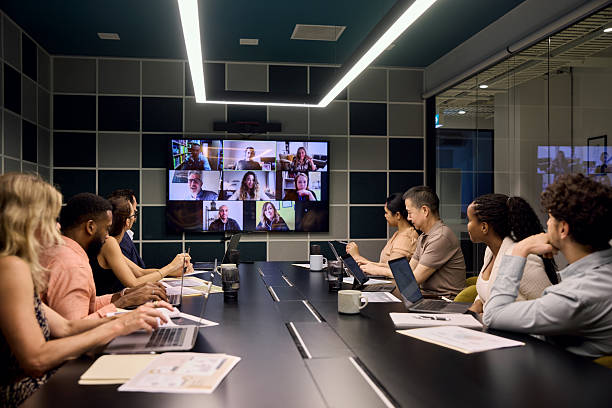

The Importance of Video Technology in Modern Conferencing
In the digital age, video technology has revolutionized modern conferencing by enhancing communication and collaboration on a global scale. As businesses integrate advanced video solutions, they experience improvements in interaction, efficiency, and reach. This leap in video conferencing capabilities allows teams to connect effortlessly, breaking geographical barriers and fostering real-time dialogue. The burgeoning reliance on this technology underscores its integral role in business communication, ensuring not only clarity but also a personal touch, which is often missing in digital interactions. Exploring the nuances of how video enhances communication and the adaptation to advanced technology can significantly influence business strategies.
How Video Enhances Business Communication
Video conferencing has transformed the landscape of business communication, providing a platform where clarity, engagement, and real-time interaction can thrive. At its core, video technology bridges the geographical gaps, allowing for more dynamic exchanges that feel almost as natural as in-person meetings. Companies leveraging video conferencing benefit from enhanced collaboration, as it offers more than just audio communication. Through video, visual cues, body language, and expressions play a role in interactions, thereby reducing misunderstandings and fostering a deeper connection among teams. This capability is critical for businesses aiming to maintain strong relationships with remote teams and international clients.
Moreover, video conferencing solutions support diverse communication needs by integrating various tools such as screen sharing, virtual whiteboards, and real-time editing. These features empower teams to collaborate on projects seamlessly, regardless of physical location. For instance, screen sharing enables participants to present business reports, charts, and presentations just as they would in a face-to-face meeting. This level of interaction not only saves time but also improves productivity and the quality of decisions being made. As companies in Albany, CA, seek to maintain competitive edges, the implementation of advanced video solutions is proving to be indispensable.
Furthermore, the impact of video technology extends beyond immediate communication enhancements. Companies also notice long-term benefits, such as cost savings on travel and increased team morale. The elimination of travel expenses and time constraints allows businesses to allocate resources efficiently, directing funds toward innovation and growth. The flexibility offered by video conferencing also means team members can balance work and personal commitments more effectively, boosting job satisfaction and retention. In turn, happy employees are often more productive, directly influencing the company’s bottom line.
The adoption of video technology is not merely a trend but a strategic component of modern business communication. As the technology evolves, so too will the potential for deeper integration with other business systems, such as CRM and project management tools,, further enhancing communication and decision-making capabilities. As Albany businesses witness firsthand the transformative impact of video conferencing, it becomes clear that continued investment in video and audio solutions is necessary. Businesses are encouraged to stay abreast of these technological advancements not only to improve current communication practices but to prepare for a future where digital collaboration plays an even more crucial role.
Adapting to Advanced Video Technology
In the constantly evolving realm of digital communication, adapting to advanced video technology is becoming crucial for organizations that aim to maintain a competitive edge. As components of video conferencing become increasingly sophisticated, companies must keep pace with these advancements to ensure they extract maximum value from their investments. Innovations such as high-definition visuals, enhanced audio technologies, and AI-driven features have redefined what businesses can achieve through video communication, pushing boundaries beyond traditional setups.
Today, many video solutions come equipped with AI integration, which significantly enhances the user experience by providing features such as automated transcriptions, facial recognition, and smart camera adjustments. These innovations not only enhance the quality of communication but also contribute to streamlined operations by reducing manual workloads. For example, automated transcriptions provide accurate meeting notes without the need for separate documentation, allowing employees to focus more on strategic tasks. Such features are particularly beneficial for businesses in Albany, CA, where efficiency and innovation are critical.
Transitioning to these advanced technologies requires a strategic approach, beginning with thorough assessments of current capabilities and future needs. Businesses should evaluate their existing infrastructures and determine the most appropriate upgrades that will support their objectives. This might involve scaling the system’s capacity or integrating it with other digital tools to create a more cohesive communication ecosystem. With many options available, from cloud-based platforms to hybrid solutions, companies can tailor their choices to align perfectly with their operational demands and strategic visions.
Although the transition to advanced video technology offers numerous advantages, companies must also consider the associated challenges. These may include ensuring data security, navigating potential integration hurdles, and managing the technical training of employees. Investing in reliable support and training is crucial to overcoming these barriers and ensuring smooth adaptation. Providers often offer comprehensive support services, helping businesses troubleshoot issues promptly and effectively, minimizing any disruption to normal operations.
As businesses look towards the future, continuously adapting to new video technologies will be key to sustaining effective communication and collaboration. Staying informed about emerging trends and adopting cutting-edge solutions as they arise will enable organizations to maintain connectivity and competitiveness in an increasingly digitalized world. By embracing these technological shifts, companies in Albany and beyond can look forward to a future where video conferencing not only supports but enhances the way they communicate, collaborate, and conduct business.
Setting Up an Efficient Conference Room
Designing an effective conference room is fundamental for successful video conferencing and professional communication. The right setup encompasses multiple elements, from technological sophistication to ergonomic design. In this section, we explore the critical components that comprise a productive conference environment and discuss how to optimize a meeting space for top-tier video conferencing performance, ensuring that every conference call delivers clarity and engagement. With Albany businesses seeking to enhance communication, understanding these essentials can lead to optimal video solutions.
Key Components for a Productive Conference Room Setup
A productive conference room setup seamlessly blends advanced video technology with an environment conducive to focused interaction. At the heart of any successful meeting is a robust video conferencing system. Selecting the right systems involves choosing equipment that caters to your organization’s specific needs, whether it’s a state-of-the-art telepresence system or reliable, high-definition video solutions. High-quality cameras, capable of capturing clear images under varying light conditions, paired with directional microphones that minimize ambient noise, are crucial for maintaining a professional meeting atmosphere. These components ensure that every voice is heard and every expression is visible, thereby enhancing the overall communication experience.
Equally important in a conference room setup is the integration of software with the hardware solutions. Choosing a system that supports video conferencing software with features such as screen sharing, real-time document editing, and virtual whiteboards can significantly elevate the collaborative experience. This integration facilitates dynamic interaction, allowing teams to adapt meetings in real-time, whether the focus is on collaborative brainstorming or formal presentations. By leveraging comprehensive video solutions, businesses ensure their conference room setups promote interactive and engaging sessions.
Room acoustics also play an essential role in designing an efficient conference room. Acoustic treatments such as soundproofing panels and carpeted floors help minimize interference, preventing echoes and enhancing speech intelligibility. The layout of the room, including seating arrangements and the positioning of video conferencing equipment, should facilitate easy communication among all participants, regardless of their location in the room. A well-organized, distraction-free environment not only improves focus but also promotes an inclusive meeting culture.
Lighting within the meeting room is another critical factor; it should be adjustable to complement natural light while ensuring participants are well-lit for video calls. Investing in adaptable lighting solutions that can be modified according to different meeting requirements helps achieve the right visual balance. Besides technological and physical considerations, user-friendly interfaces for frequently used controls contribute to the room’s overall productivity. Ensuring ease of use is vital, as complex systems can waste valuable meeting time and hinder productivity.
Security should not be overlooked when establishing a modern conferencing setup. Selecting systems that offer robust cyber security features ensures that sensitive information shared during conferences remains confidential. Setting up encrypted communication channels and password protections are standard practices for safeguarding data. As businesses in Albany and beyond seek to harness the potential of video conferencing, understanding the components of an effective conference room setup ensures that the investment yields dividends in increased efficiency and collaboration.
Optimizing Your Meeting Room for Video Conferencing
Optimizing a meeting room for video conferencing goes beyond the initial setup to continuous enhancement of the space for ongoing productivity. A well-optimized room considers both technological advancements and the changing needs of digital communication. As video solutions evolve, businesses must regularly reassess and upgrade systems and equipment to incorporate innovations such as AI-driven features, which can transform user experience by automating tasks like taking notes or adjusting camera angles to focus on active speakers.
One aspect of optimization involves ensuring that the setup accommodates hybrid and remote work trends. Implementing cloud-based video conferencing services provides flexibility for participants, allowing seamless connectivity regardless of their location. This adaptability not only facilitates more inclusive participation but also increases the room’s utilization efficiency, turning it into a versatile hub for both in-person and virtual meetings. Integrating tools that are compatible with remote access ensures continuity and consistency in team interactions, vital in today’s dynamic work environments.
Regular training for team members using conferencing systems is essential as part of the optimization process. Ensuring that all users are comfortable with the video technology and conferencing services available can dramatically improve meeting efficiency. Training should extend to understanding new functionalities of the systems to make full use of enhancements like integrated AI tools or cybersecurity updates. Periodic refresher courses can help employees stay current, fostering a culture that values technological adaptability and continuous learning.
Another key consideration is adapting the conference room’s physical space to accommodate new demands. As virtual reality and augmented reality become more integrated into video conferencing, ensuring that the meeting room can support such technologies may be beneficial. This might involve adding or reconfiguring existing infrastructure to fit additional equipment or seating arrangements that allow for better interaction with virtual environments. Such flexibility is crucial, as the ability to adapt quickly to new technologies often marks the difference between staying ahead or falling behind in business communication.
To complete the journey towards a truly optimized meeting room, implementing feedback loops where users can regularly provide input on their experiences and challenges is invaluable. This feedback can indicate subtle improvements, such as adjusting sound settings or tweaking room ergonomics, which might otherwise go unnoticed but significantly impact overall functionality. By continuously iterating on room setups using direct user insights, businesses can ensure that their meeting spaces remain cutting-edge and conducive to effective video conferencing. As these optimizations unfold, Albany companies will continue to benefit from enhanced collaboration and communication capabilities, keeping them competitive in an ever-evolving digital landscape.
Equally important in a conference room setup is the integration of software with the hardware solutions. Choosing a system that supports video conferencing software with features such as screen sharing, real-time document editing, and virtual whiteboards can significantly elevate the collaborative experience. This integration facilitates dynamic interaction, allowing teams to adapt meetings in real-time, whether the focus is on collaborative brainstorming or formal presentations. By leveraging comprehensive video solutions, businesses ensure their conference room setups promote interactive and engaging sessions.
Room acoustics also play an essential role in designing an efficient conference room. Acoustic treatments such as soundproofing panels and carpeted floors help minimize interference, preventing echoes and enhancing speech intelligibility. The layout of the room, including seating arrangements and the positioning of video conferencing equipment, should facilitate easy communication among all participants, regardless of their location in the room. A well-organized, distraction-free environment not only improves focus but also promotes an inclusive meeting culture.
Lighting within the meeting room is another critical factor; it should be adjustable to complement natural light while ensuring participants are well-lit for video calls. Investing in adaptable lighting solutions that can be modified according to different meeting requirements helps achieve the right visual balance. Besides technological and physical considerations, user-friendly interfaces for frequently used controls contribute to the room’s overall productivity. Ensuring ease of use is vital, as complex systems can waste valuable meeting time and hinder productivity.
Security should not be overlooked when establishing a modern conferencing setup. Selecting systems that offer robust cyber security features ensures that sensitive information shared during conferences remains confidential. Setting up encrypted communication channels and password protections are standard practices for safeguarding data. As businesses in Albany and beyond seek to harness the potential of video conferencing, understanding the components of an effective conference room setup ensures that the investment yields dividends in increased efficiency and collaboration.
Understanding the Range of Available Services
Businesses seeking to harness the power of video solutions need to navigate a diverse array of services available in today’s market. An effective video setup can transform communication dynamics, fostering more direct engagement and collaboration. Traditional video conferencing remains a cornerstone service, offering businesses reliable point-to-point connections that depend notably on strong network foundations. These traditional systems are essential for enterprises that require stable, secure communications, ensuring participants receive high-quality video and audio experiences without disruption. However, beyond these foundational offerings lie more contemporary solutions that address the changing landscape of digital communication. Cloud-based video solutions have emerged as a game-changer, providing flexibility, scalability, and enhanced user engagement. These services allow businesses to conduct meetings globally, supporting remote and hybrid work environments effortlessly. With robust security protocols, cloud-based solutions like those from cisco and polycom ensure data integrity and confidentiality, vital attributes for maintaining corporate security standards. Moreover, these solutions often come equipped with the latest video technology innovations, including AI-assisted features and real-time translation services, that bridge language and communication barriers effectively. Expanding further, several integrating functionalities have appeared on the video conferencing horizon, including virtual whiteboards and live editing tools that promise to enhance collaborative sessions. Such features facilitate interactive meetings where participants can brainstorm, annotate documents, and share insights dynamically. Whether engaging in strategic planning or creative brainstorming sessions, these tools empower teams to articulate ideas efficiently, ensuring a higher impact and productivity rate during conferencing sessions. Another significant segment in video conferencing services involves the adoption of telepresence technologies. These enable lifelike virtual meetings by simulating a physical presence, fostering a natural interaction experience. Their high-definition cameras and sensitive audio capture create an immersive conferencing environment, making them especially valuable for businesses conducting high-stake negotiations or leadership discussions. When enhanced by comprehensive video solutions, telepresence systems cater to varied interpersonal communication styles, ensuring each participant can express and receive information clearly. Selecting the right video solution for your business also involves considering support and integration capabilities. Service providers offering robust support services are invaluable; they help troubleshoot technical issues promptly, ensuring the system remains operational. Integration, particularly into existing digital ecosystems like CRMs and productivity tools, further amplifies the effectiveness of conferencing services. As video technology advances, businesses must select services that not only meet current requirements but are adaptable for future innovations. This foresight ensures sustainability and scalability, vital components for thriving in an ever-evolving business environment.
| Video Solution Type | Key Features | Benefits | Potential Use Cases |
|---|---|---|---|
| Traditional Point-to-Point Systems | Direct two-way video communication, hardware-based setup | Reliable and secure connections, high-quality video | Executive meetings, secure corporate communications |
| Cloud-Based Services | Scalable, accessible from various devices, software-driven | Cost-effective, easy to deploy, flexible scalability | Remote team meetings, webinars, virtual classrooms |
| Telepresence Technologies | Immersive experience with life-size displays, advanced audio | Enhanced collaboration, realistic meeting experiences | Boardroom discussions, intricate collaborative projects |
Choosing the right video conference solutions is essential for enhancing communication and collaboration in Albany, CA. With our comprehensive range of high-quality video solutions and equipment, businesses can seamlessly conduct meetings, boost productivity, and connect with teams globally. Our tailored services ensure a reliable and user-friendly experience, enabling you to focus on what truly matters, your business goals. Explore our offerings today and discover how we can transform your communication strategies. Reach out to us for expert guidance and let us help you choose the perfect solution to meet your unique requirements.